BLENDER BUDDY IS UNDER CONSTRUCTION!
BLENDER HEAD FOREVER!
Blender Buddy!!

HI!
ABOUT BLENDER BUDDY
BLENDER BUDDY IS JUST ME.
I'M JUST A BLENDER HEAD THAT JUST WANTS TO HELP ALL OF MY FELLOW BLENDER HEADS,
WITH ANY PROBLEMS THEY MAY BE HAVING.
BLENDER IS A FREE OPEN SOURCE PROGRAM.
JUST ABOUT ALL OF US ARE LEARNING BLENDER ON OUR OWN.
AND AFTER MANY HOURS OF TEACHING MYSELF THIS PROGRAM
I KNOW WHAT IT IS LIKE TO HAVE QUESTIONS AND NO WHERE TO GET ANY ANSWERS.
Got a question, enter it here. I will be checking this website daily!
A collection of sounds!
Blender Artists Page! Elephants Dream!BLENDER is the best.
BLENDER is the coolest.
MY NAME IS the BLENDER BUDDY!
I really hope you all enjoy this website.
THIS IS THE BLENDER BUDDY WEBSITE!!!
Blendering is fun!!!!
Home Page!How to import objects.
I will explain how to do this later in a Blender Buddy tutorial.
How to export objects.
I will also explain how to export objects in a Blender Buddy tutorial.
One of the Best websites on the internet for learning BLENDER is!
The blenderguru.com. He has one of the best websites! He has a really good style of teaching BLENDER.
This is the BLENDER BUDDY website!
Blender has me hooked forever!
And now I'm goona try my best to become
the best Graphics Artist that I can.
And if I can help you in any way please email me.
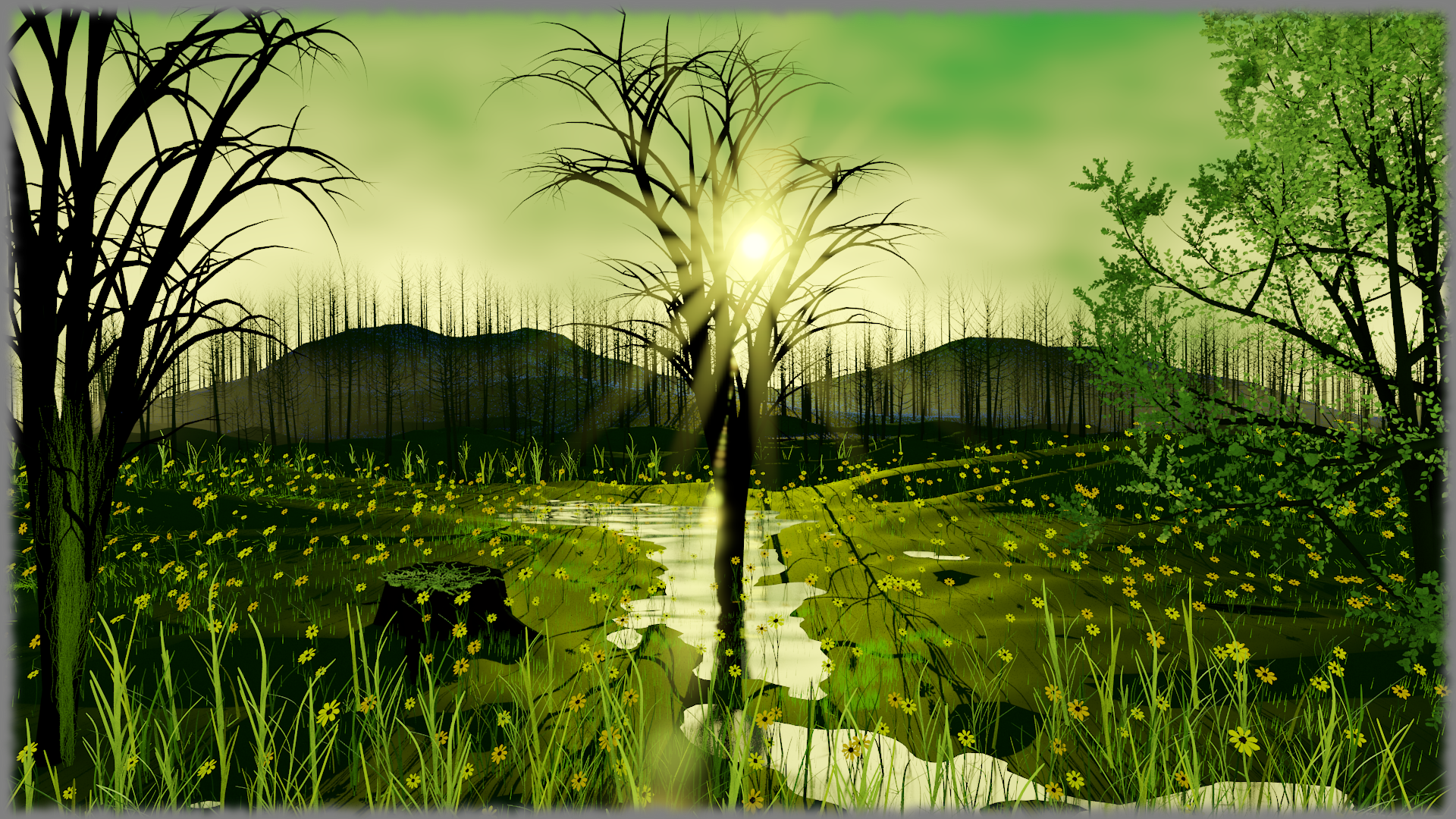
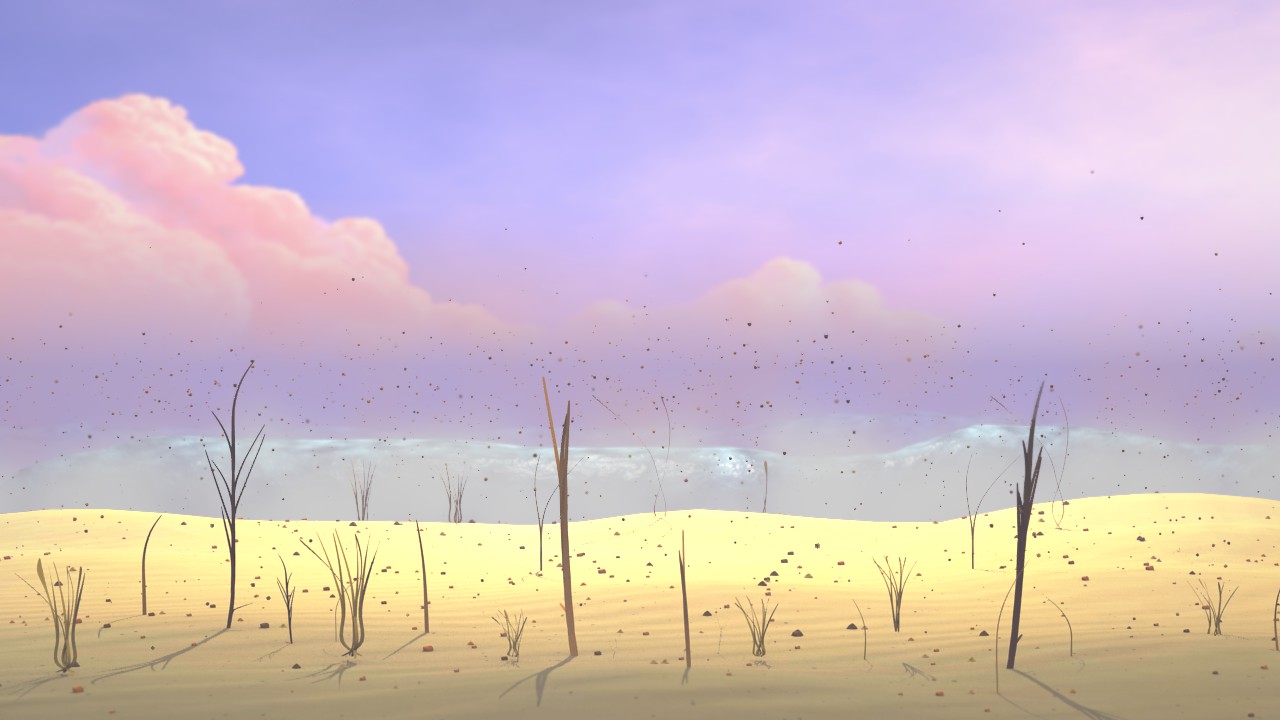
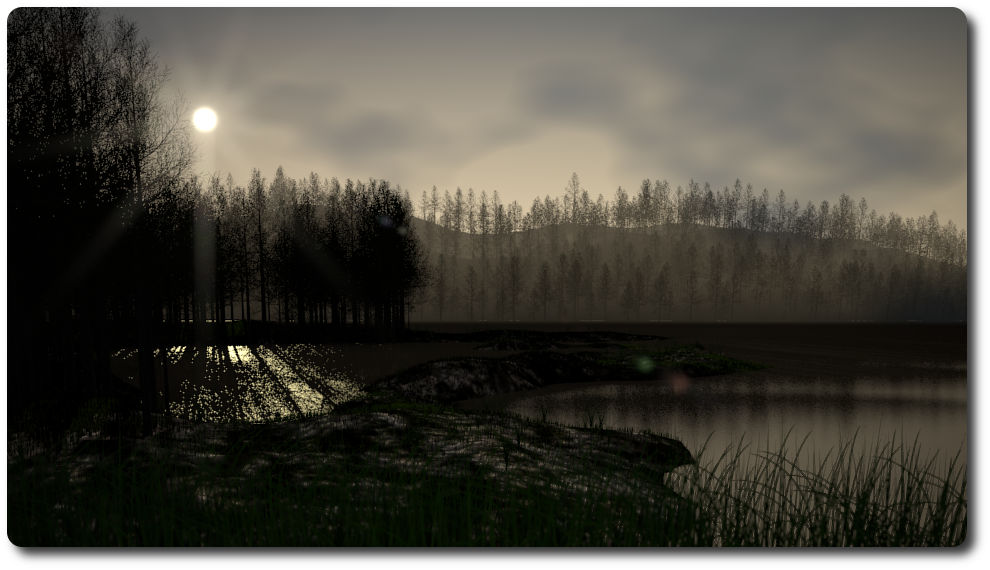
These are a few images that I did using BLENDER!
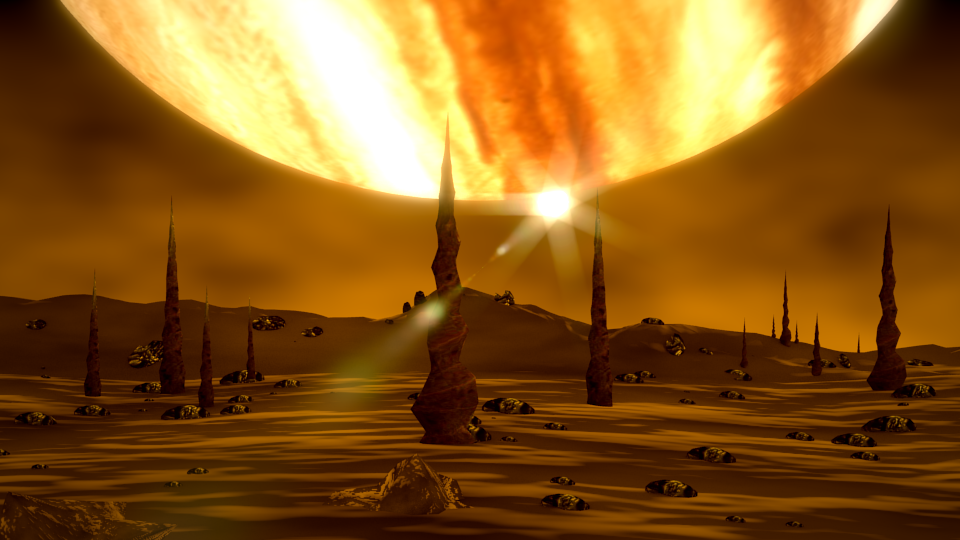
A Sci-fi Image that I Made.
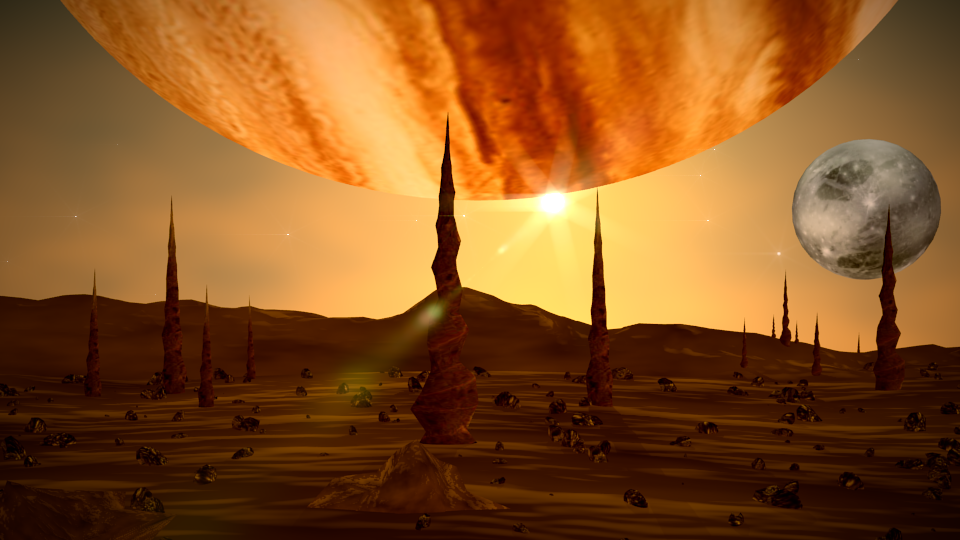
Sci-fi.
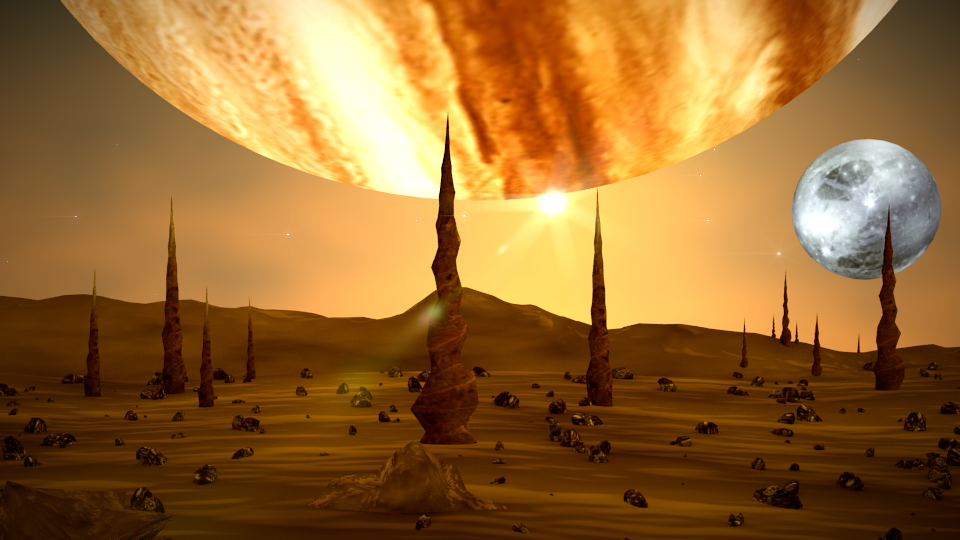
Sci-fi.
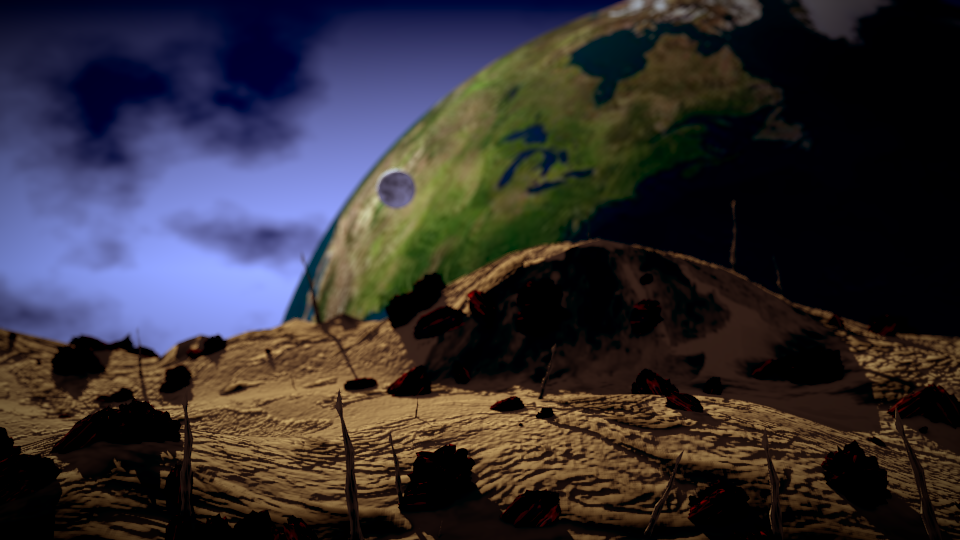
Sci-fi.
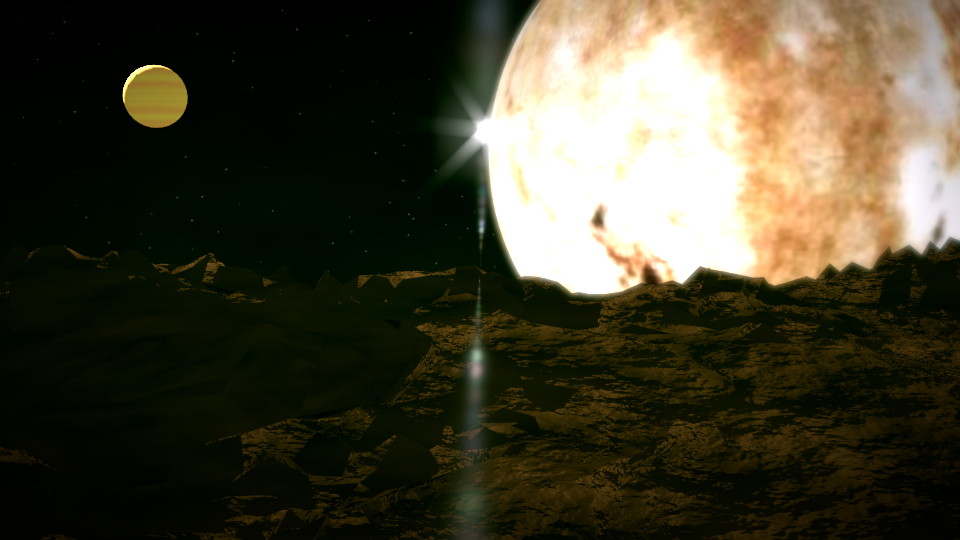
Sci-fi.
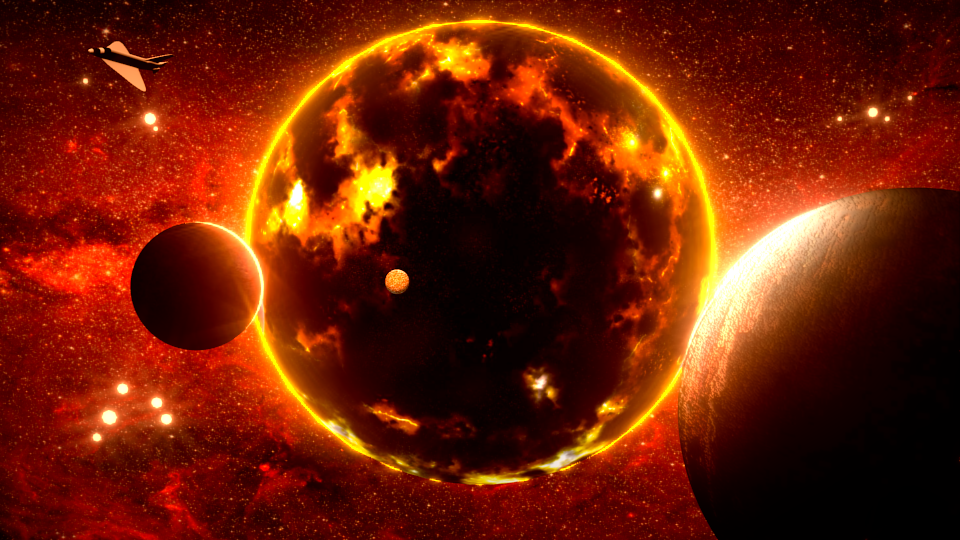
Sci-fi.
This section explains how to use the lights!
- Point
- Sun
- Spot
- Hemi
- Area
The Point lamp is an omni-directional point of light, that is,
a point radiating the same amount of light in all directions.
It’s visualized by a plain, circled dot.
Being a point light source,the direction of the light hitting an object’s
surface is determined by the line joining the lamp and the
point on the surface of the object itself.
A Sun lamp provides light of constant intensity emitted in a single direction.
A Sun lamp can be very handy for a uniform clear daylight open-space illumination.
In the 3D view, the Sun light is represented by an encircled black dot with
rays emitting from it, plus a dashed line indicating the direction of the light.
This direction can be changed by rotating the Sun lamp, like any other object,
but because the light is emitted in a constant direction, the location of a
Sun lamp does not affect the rendered result (unless you use the “sky & atmosphere” option).
A Spot lamp emits a cone-shaped beam of light
from the tip of the cone, in a given direction.
The Spot light is the most complex of the
light objects and indeed, for a long time,
among the most used thanks to the fact
that it was the only one able to cast shadows.
Nowadays, with a ray tracer integrated
into Blender's internal render engine,
all lamps can cast shadows (except Hemi).
Even so, Spot lamps’ shadow buffers are
much faster to render than ray-traced shadows,
especially when blurred/softened,
and spot lamps also provide other
functionality such as “volumetric” halos.
The Hemi lamp provides light from the direction of a 180° hemisphere,
designed to simulate the light coming from a heavily clouded o
otherwise uniform sky. In other words, it is a light which is shed,
uniformly, by a glowing dome surrounding the scene.
Similar to the Sun lamp, the Hemi’s location is unimportant,
while its orientation is key.
The Hemi lamp is represented with four arcs, visualizing the orientation
of the hemispherical dome, and a dashed line representing the direction
in which the maximum energy is radiated, the inside of the hemisphere.
The Area lamp simulates light originating from a surface (or surface-like) emitter.
For example, a TV screen, your supermarket’s neon lamps, a window,
or a cloudy sky are just a few types of area lamp.
The area lamp produces shadows with soft borders by sampling a lamp along a
grid the size of which is defined by the user.
This is in direct contrast to point-like artificial lights which produce sharp borders.
To get more info.on Blender Lighting,
you can refer to the Blender Documents Page.
Found Here:Blender Docs.
And the latest released Blender Documents Blender 2.79 Here.2.79 Blender Docs.
Using armatures to rig.
How to use lattices?
How to use empties.
BACK TO TOP!
HOME PAGE

-CLOCK-

©Blender Buddy 2015